
U.S. Central Command struck over 80 Iranian targets on July 7 after Iran attacked three commercial vessels transiting the Strait of Hormuz. CENTCOM's statement was blunt: the strikes were launched "to impose heavy costs for targeting and attacking commercial shipping crewed by innocent civilians in an international waterway."
That's not a proportional response. That's a math lesson.
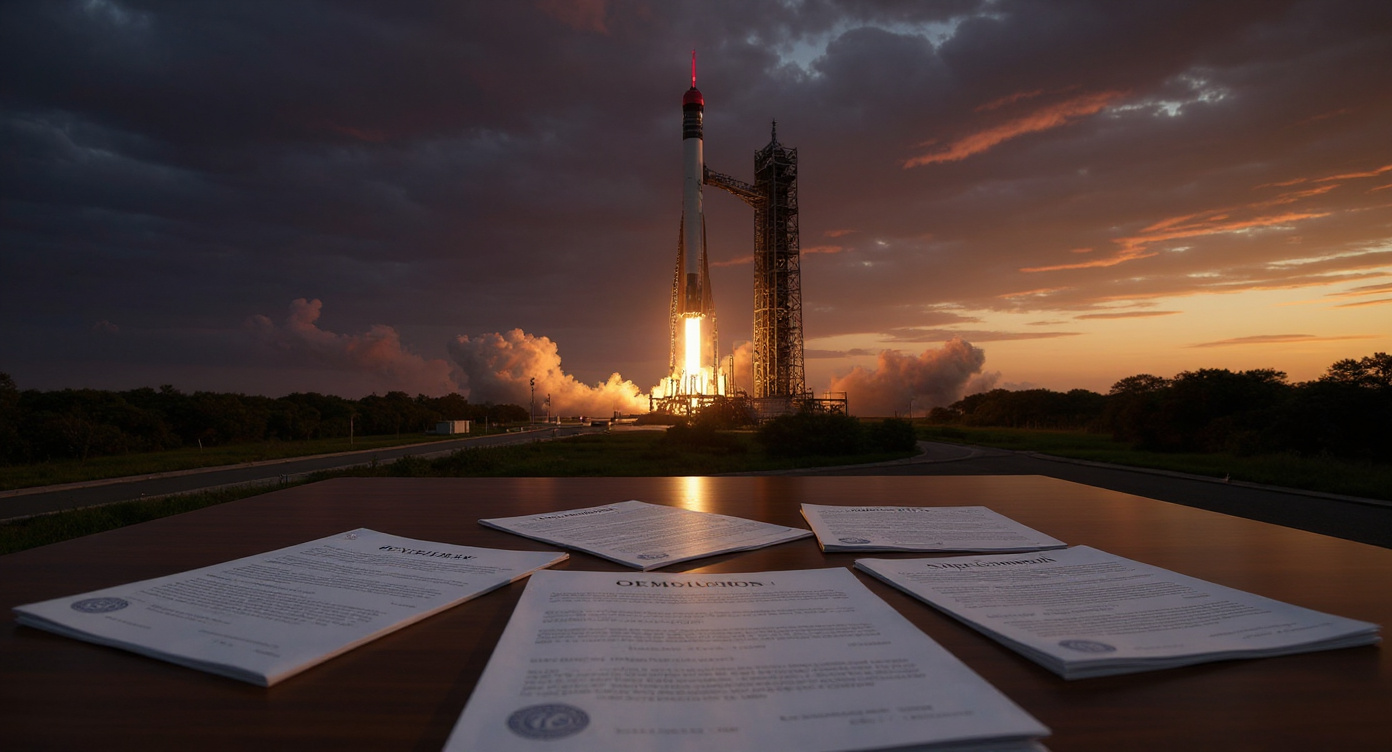
The sequence matters. Iran signed a Memorandum of Understanding with the United States just last month — June 2026 — a performance-based agreement that was supposed to be the framework for a final deal. Negotiators were reportedly still working "in good faith towards a final deal" when Iran decided to start hitting commercial ships in one of the world's most critical shipping lanes. CENTCOM called the attacks "unwarranted, dangerous, and a clear violation of the ceasefire."
So Iran got a deal, then broke the deal, then found out what happens when you break a deal with this administration.
The response went beyond missiles. The Office of Foreign Assets Control revoked General License X, which had authorized the sale of Iranian oil. That's not a symbolic gesture — that's the revenue stream. A U.S. official stated plainly: "Iran will only reap benefits if they exhibit good behavior. Iran's actions in the Strait were wholly unacceptable to the United States and will be met with consequences."
As Townhall's Cameron Arcand reported, the strikes represent a significant escalation. The mullahs are already vowing a "crushing response," which is the same language they've used roughly every six months since 1979. The track record on Iranian "crushing responses" is not exactly intimidating. They talk like a superpower and fight like a country whose air force is held together with duct tape and sanctions evasion.
But the strategic picture here is worth understanding. The Strait of Hormuz handles roughly 20 percent of the world's oil supply. When Iran attacks commercial vessels there, it's not a military provocation — it's an economic one. It drives up insurance rates, reroutes shipping, and spikes energy costs globally. Every tanker that has to detour around the Cape of Good Hope adds weeks and millions in fuel costs. That hits American wallets at the gas pump.
The previous approach to this problem involved careful diplomacy, sternly worded letters, and — in one memorable case — $6 billion in unfrozen assets. The current approach involved 80 targets and a revoked oil license.
Iran had a Memorandum of Understanding. They had General License X authorizing oil sales. They had negotiators working toward a final agreement. They had a path forward.
They chose the Strait of Hormuz instead. Now the MOU is performance-based with nothing to show, the oil license is gone, and 80 targets are smoldering.
Turns out "performance-based" works in both directions.