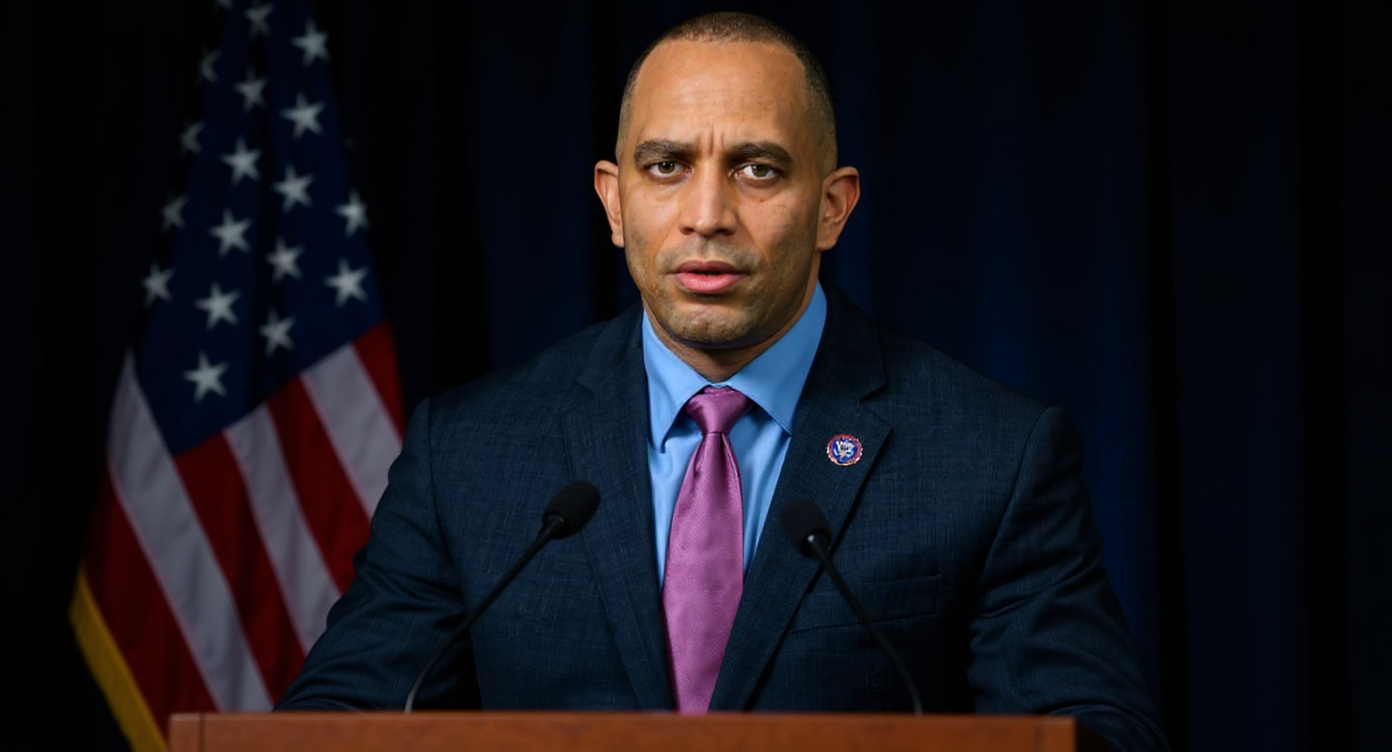
Coloradans for a Level Playing Field — the Democratic-backed group tied to House Minority Leader Hakeem Jeffries — spent more than $2 million pushing three ballot initiatives designed to redraw Colorado's congressional map. The goal was to turn a 4-4 delegation split into a 7-1 Democratic advantage.
On Monday, the Colorado Supreme Court threw out all three measures. Unanimously.
Initiatives 240, 241, and 242 would have temporarily suspended the state's independent redistricting commission — the one Colorado voters themselves approved by constitutional amendment in 2018 — and replaced it with maps hand-drawn to favor Democrats in seven of the state's eight congressional districts. The new maps would have governed the 2028 and 2030 elections before the commission kicked back in.
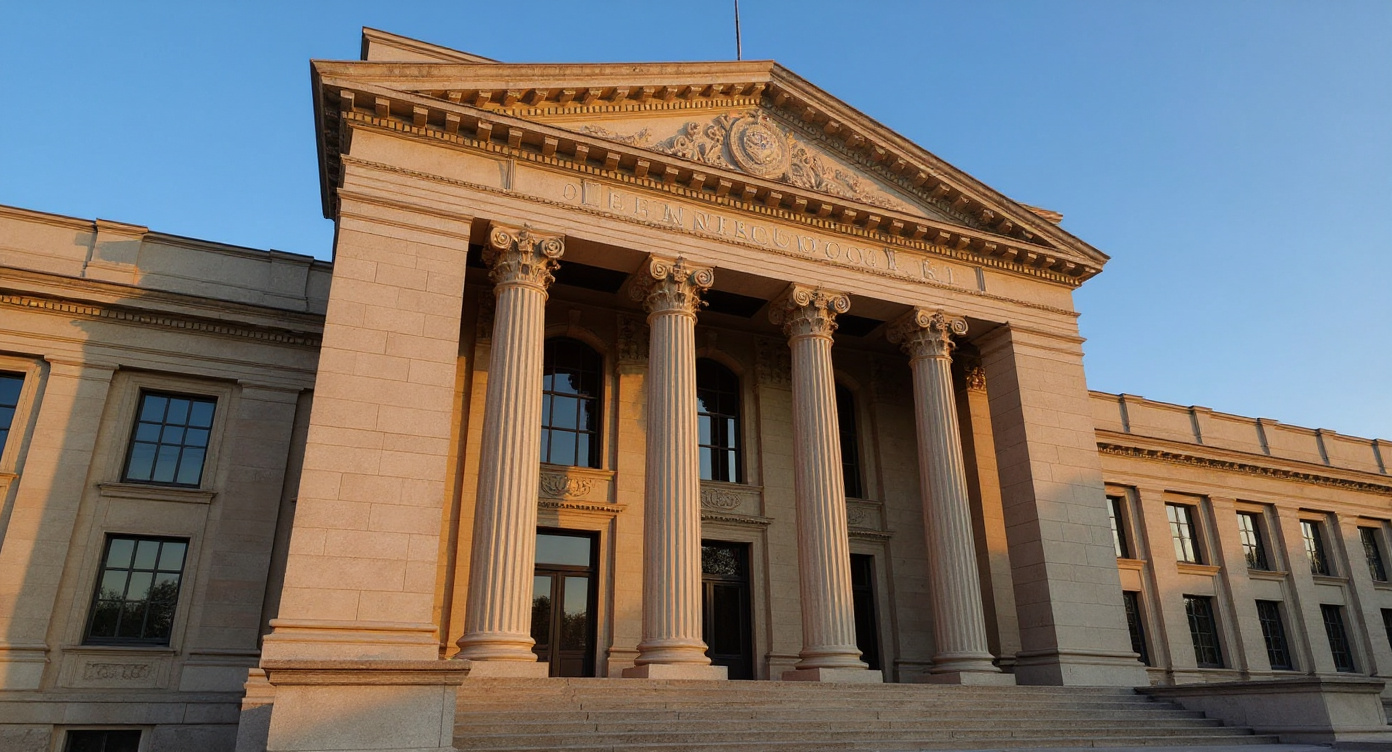
Chief Justice Monica M. Márquez, writing for the unanimous court, called the scheme "a seismic shift to Colorado's longstanding redistricting process enshrined in the constitution." The ruling found all three initiatives violated Colorado's single-subject requirement, which mandates that ballot measures address only one issue at a time. Changing the frequency of redistricting, Márquez wrote, was "not merely a mechanism" — it was a constitutional overhaul disguised as a procedural tweak.
Justice Richard L. Gabriel drove the legal nail deeper. Because the measures were designed to work in tandem — each one's effectiveness contingent on the others passing — Gabriel concluded that allowing them "would allow proponents to achieve indirectly what they could not achieve directly." In plain English: you can't split one unconstitutional idea into three separate ballots and pretend each one stands alone.
The group behind the push needed 125,000 signatures per measure just to qualify for the ballot. They had the money. They had the infrastructure. What they didn't have was a legal argument that could survive a courtroom where the judges actually read the state constitution.
Curtis Hubbard, spokesman for Coloradans for a Level Playing Field, dismissed the ruling as a "legal setback over a technicality." A technicality. The single-subject rule isn't some obscure footnote — it's a foundational safeguard that prevents exactly this kind of ballot-measure bundling. Voters approved it for the same reason they approved the independent redistricting commission: because they didn't trust politicians to draw their own maps.
Former Colorado Secretary of State Scott Gessler put it more bluntly. "Eight years ago, Colorado voters strongly supported an independent redistricting commission," he said. The whole point was to take map-drawing out of partisan hands. Democrats spent eight years pretending to agree with that principle — right up until the maps stopped going their way.
The irony is thick enough to block a ballot initiative all by itself. Democrats nationally have spent years railing against gerrymandering as an existential threat to democracy. They've filed lawsuits in North Carolina, Ohio, and Wisconsin. They've given speeches. They've fundraised off it. Then Hakeem Jeffries' orbit quietly bankrolled a $2 million operation to do the exact same thing in Colorado — override an independent commission, suspend a constitutional process, and lock in a 7-1 advantage for two election cycles.
Republicans, meanwhile, had filed their own counter-measures proposing a 5-3 GOP-favorable map. Those were also rejected on single-subject grounds. The court didn't pick sides. It enforced the rules.
That's the part Hubbard's "technicality" complaint misses entirely. The court didn't rule on whether Democratic maps were better or worse than Republican maps. It ruled that neither side gets to bypass the redistricting commission that voters created specifically to prevent this fight. The system worked exactly as designed.
Democrats wanted seven of eight seats. They got zero of three ballot measures. The independent commission stays. The maps stay.
Sometimes the constitution is inconvenient. That's the whole point of having one.