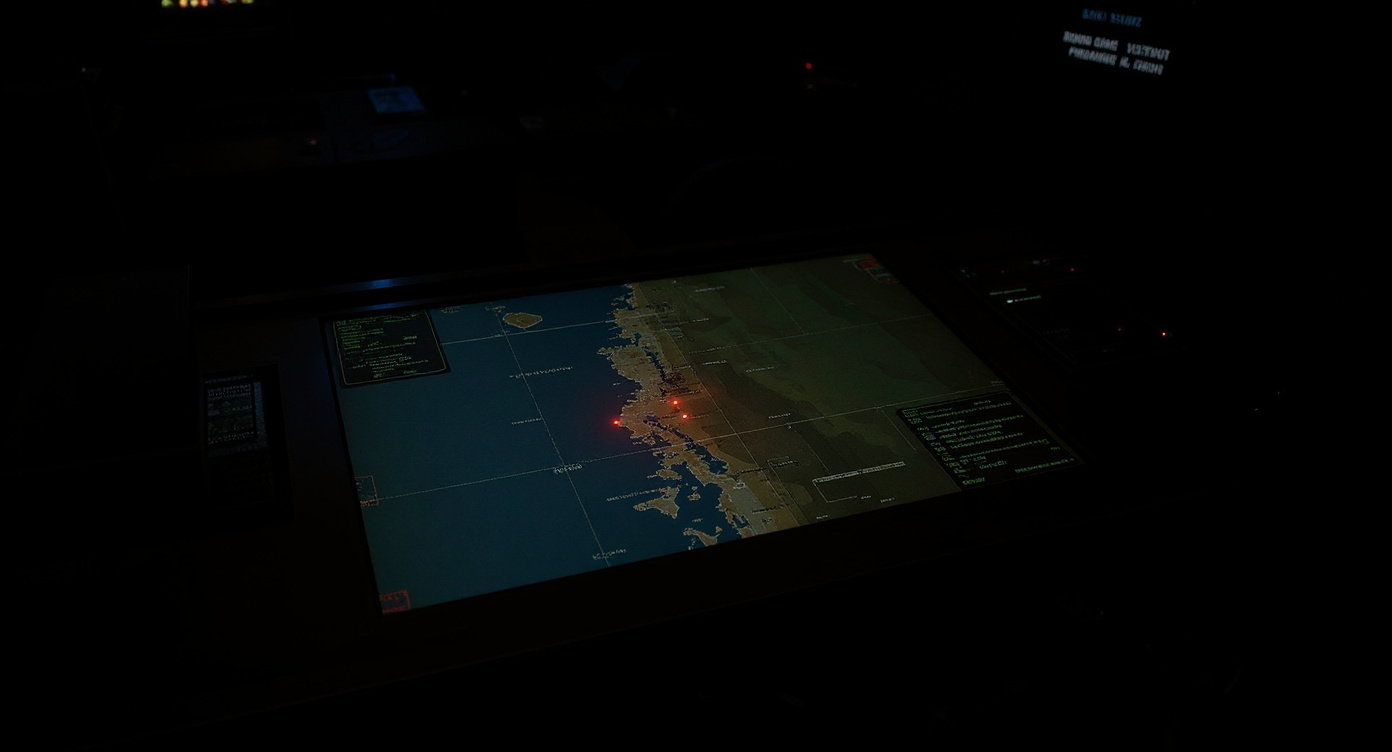
Eighty-plus Iranian military sites got hit on Night One. Night Two, according to U.S. Central Command, exceeded that in scope. Port cities along Iran's southeastern coast and the Bushehr IRGC barracks are now operating under a very different set of assumptions about American resolve.
Three weeks of ceasefire, and this is what came next.
CENTCOM's statement was clinical in the way only the military can be when things are already exploding: "At the direction of the Commander in Chief, U.S. Central Command forces have started conducting additional strikes against Iran to further degrade their ability to threaten freedom of navigation in the Strait of Hormuz." That's Pentagon-speak for "we told you, and you didn't listen."
The backstory here isn't complicated. President Trump declared the Iran memorandum of understanding "over" after diplomatic talks collapsed. Iran's response was to target 85 U.S. military facilities across Bahrain and Kuwait. A Saudi oil tanker, a Qatari LNG carrier, and multiple commercial ships found themselves in the crosshairs of Iranian provocations in the Strait of Hormuz.
So Trump went on record with what he thought of the whole enterprise. "They want to make a deal SO badly," he said. "They called a little while ago. I just don't know if they're worthy of making a deal."
Then he kept going.
"They're scum. They're sick people. They're led by sick people, and they're vicious, violent people," Trump said. "Far as I'm concerned, it's just a waste of time dealing with them. They're liars."
Not exactly the language of a man leaving the door open for renewed negotiations. And just in case anyone in Tehran missed the subtext: "There's something wrong with them. They're cuckoo. As far as I'm concerned, it's over."
The foreign policy establishment will spend the next week debating whether this escalation is proportional, strategic, or advisable. They'll produce white papers and cable news segments and strongly worded tweets. What they won't produce is an alternative explanation for why Iran thought it could threaten major shipping lanes and target American bases without consequence.
Iran's defenders — and they exist, scattered across think tanks and editorial boards — will argue that diplomacy deserved more time. Three weeks of ceasefire, they'll say, wasn't enough runway. Maybe. But during those three weeks, Iran wasn't building goodwill. It was targeting commercial vessels and drawing up strike plans against 85 facilities where American servicemembers work.
As Hot Air's John Sexton reported, the second night of strikes was deliberately broader than the first. This wasn't a one-off punitive action. This was a campaign — structured, escalating, and aimed at degrading Iran's capacity to project force across the Persian Gulf.
There's a pattern with this administration that its critics keep failing to price in. Trump says something blunt. The commentariat calls it reckless. Then the blunt thing happens exactly as described. "It's over" didn't mean "we're considering our options." It meant Night One, then Night Two, then whatever comes after that.
The Strait of Hormuz carries roughly a fifth of the world's oil supply. Iran's ability to threaten it just got materially smaller.